Planting the Summer Garden

20 May

When the nighttime temperatures are consistently above 50 degrees here in Michigan, I know it’s finally a safe time to plant the warmer summer season crops such as beans, squash, cucumbers, corn and tomatoes. This next week the temperatures are going to be very warm, so with a little water, seeds should germinate quickly and transplants should root in nicely.

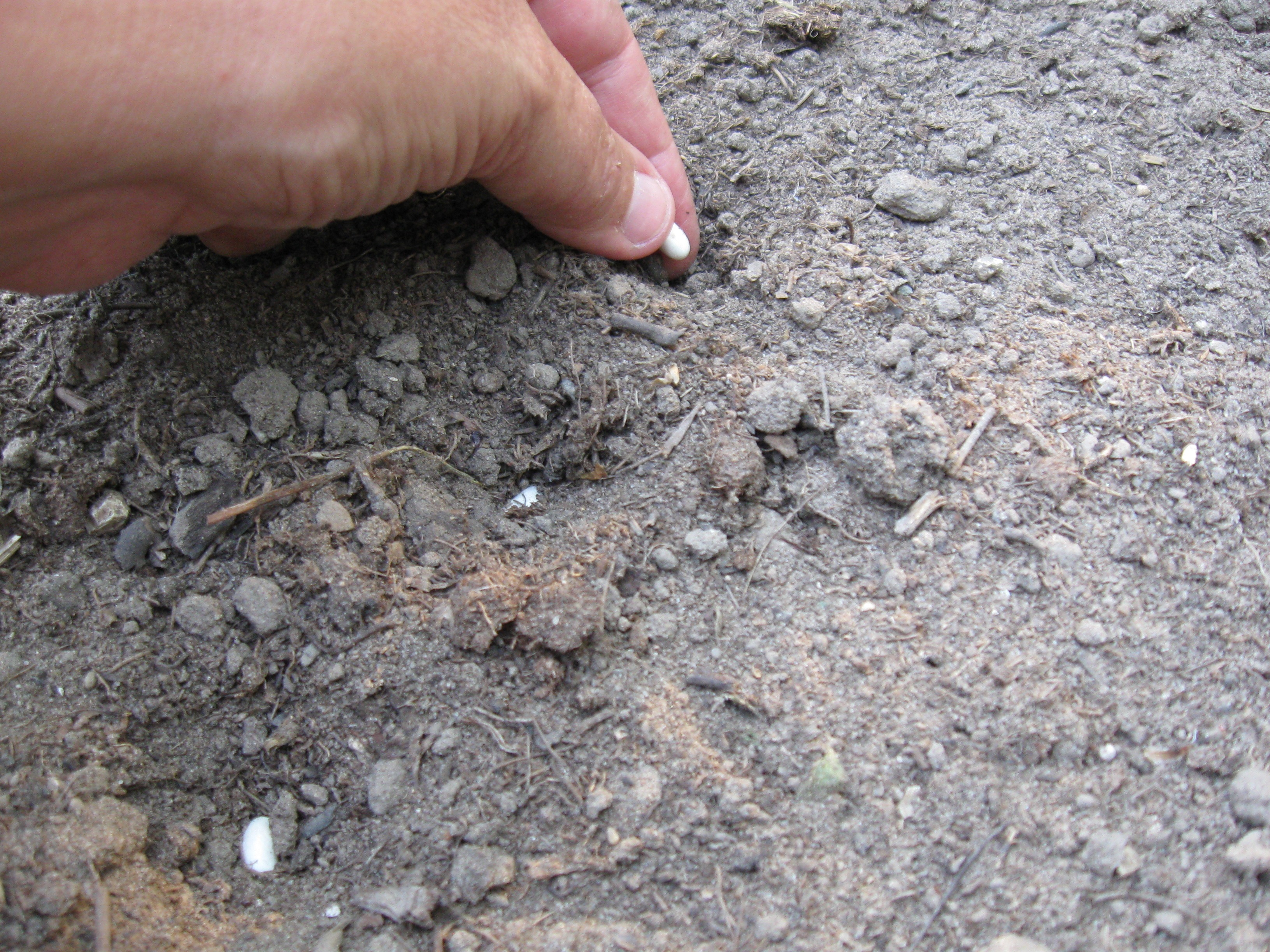
planting bean seeds

When planting seeds, make sure you follow the directions on the package. As a general rule, you will plant a seed as deep as up to twice its diameter. For instance, you plant beans about 1″ deep. Some seeds you may just sow directly on top of the soil and barely cover. The most important part when planting seeds is that you keep the soil moist until it has germinated and is growing. If the root begins to emerge from the seed, and it dries up before it is able to become established in the soil, it’s a gonner.

loosing the rootball on this tomato plant

When transplanting vegetables or flowers to your garden, make sure you loosen the rootball of the plant and bury it in the soil at the same level it was growing in the container.

This rule can be broken for tomatoes, which when planted deeper in the soil, burying a leggy stem, will develop more roots on the soil covered stem, which is better for the tomato plant overall.

planting tomatoes to encourage additional root development

Even though we have reached our frost free date, and the nighttime temperatures are consistently over 50, I will wait another week or two to plant basil, eggplant, and some of my favorite peppers. I don’t want to take any chances and these plants really like to grow in warmer temperatures.

So when planting, keep in mind the following five tips:

  1. Make sure you know how deep to plant the seed or transplant
  2. Check the seed packet to see how far apart to place each seed  (or plant).
  3. Lightly pat the soil around the plant.  Don’t smash or compact the soil. 
  4. Water thoroughly and continue to check daily for watering.  Keep moist, but not soggy. 
  5. Label each planting with the name and date planted.  Then you can estimate the time of harvest.  Yum!

Happy Planting!


Gardening with Mom

13 May

For the nursery and floral industries, Mother’s Day is their biggest day of the year. Predicted annual sales are based on this weekend. A long time tradition for many families would be to take their mother shopping at a nursery on Mother’s Day, maybe selecting an annual hanging basket or perennial plant for her garden. For others it may be selecting or sending plants or flowers from the florist. Having worked in both fields, I was never able to have a day off during this time of year. My family would visit me at work and bring me lunch.

Mom planting annuals

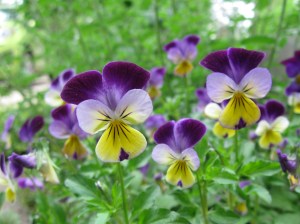
No longer in the retail trade, I get to spend the day with my family, including my mom of course. My mother and I have different gardening tastes and styles. She loves to plant her annuals and weed. I prefer vegetable gardening and the more “natural” look. For mom this year, I have grown some violas and purple hyacinth beans. These have been her favorites for the past few years so I made sure I started them in time. We will plant them together per her instructions of course.

Violas

So what is it that makes planting such a great Mother’s Day activity? Not the casual conversation or the reminiscing, but touching the dirt. Yep, that’s what I said. Touching the dirt. Research conducted in the U.K. at the University of Bristol has shown that there is a bacteria in the dirt that can increase serotonin levels, working like an anti-depressant. Also, being outdoors and observing nature have been shown to reduce stress and anxiety. While playing in the dirt, you are sure to have a wonderful day with mom. I am grateful for my mother who allowed me to play outside and get dirty. Now that I think about it, I am touching dirt everyday, so maybe that’s why I’m such a cheerful person. Thanks Mom!

Me as a kid at the beach

Maybe your mom has passed on. If that is so, then go outside and plant something in her honor in your garden or in a memory garden. This too may bring an uplifting moment to your day while reflecting on your mothers positive and loving spirit. Whatever you do, enjoy the day and also remember to celebrate and thank Mother Nature for the gifts she brings to us.

20120513-082137.jpg

rAdiSh

10 May

Radishes, Raphanus sativus L. are a very fast growing cool season crop belonging to the Brassicaceae family. Originating from Asia, their flavors can range from mild to hot. The most familiar radish to Americans may be a round red radish with white flesh and a mild flavor. I don’t like them. When I was growing up, my mother would ruin a perfectly fine potato salad by smothering the top with layers of sliced radishes. I learned how to pick them off and out of things fast. I will grow them, but I really don’t like harvesting them either. Their leaves are covered with fine hairs that feel a lot like thorns poking my flesh. They are there for a reason, and just because I don’t like them doesn’t mean I won’t grow these in my garden. I just won’t eat them. They are a great veggie to grow and share.

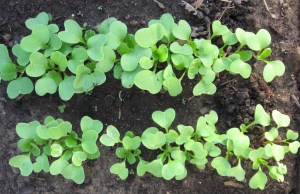
Radishes before thinning

There are mainly two types of radishes. Like I mentioned above, the round fast growing radish that is best grown in the spring, and the Daikon radish which should be grown in the fall and is best for winter storage. There are many colors and shapes but all germinate best when soil temperatures are between 45-90 degrees Fahrenheit, with the optimum temperature being 60-65. The soil temperature in my garden right now is 55, so I will be sowing radishes without cover (cold frame) this weekend. Ideally, you want to direct sow about 1/4 to 1/2 inch below the surface in rows spaced about 8” to 18” apart. Sow the seeds in a line. After they have germinated, you will notice that they are too close together, so you need to “thin” them. You will know how much just by picturing the size of the radish when you will be harvesting it. That is how much space it will need to grow, with a little extra in between. If you continue to plant every 2-3 weeks, you will have a continuous harvest for most of the year. Radishes don’t grow very well during hot summers, but if you interplant them between other plants that may shade them to keep them cool, you might surprise yourself with how long you can grow them. For winter radishes, start them at the beginning of September and you will be harvesting through late fall. Daikon radishes are good to grow through the winter in a cold frame and also grow well in raised beds. Traditionally, radishes are the first crop harvested and the last crop sown.

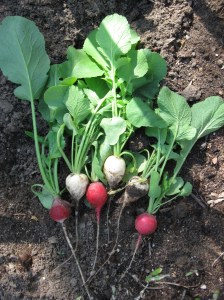
Radishes after thinning

Harvest when they are about the size of a large marble except for Daikon radishes which are so large you need to loosen the soil with a garden fork. If you wait too long, they get too large and mealy. You may wonder how I know this without eating them. Well, I do have radish testers living in my house. So I get my information from them. And if you slice them, they should be nice and crisp. Remove the leaves and wash. Some people like to eat those hairy greens. Do as you choose. Store washed radishes without drying too much in a plastic bag or container in the refrigerator to keep the humidity high and temperatures cool.

Radish “Easter Egg”

Radishes are susceptible to flea beetles and cabbage root maggots. You can avoid this by rotating crops, not planting anything from this plant family in the same place for three years. Using a floating row cover can also help by deterring cabbage moths from laying their eggs on the plants.

Interesting is that the U.S. standards for radish grades hasn’t changed since 1968. It reads “Tenderness, cleanness, smoothness, shape, size, and freedom from pithiness and other defects; tops of bunched radishes fresh and free from damage.” So, if you are growing radishes for someone, these are the standards you should be following.

Want something weird. Grow the radish from Baker Creek Heirloom Seeds called “Rats Tail”. It is an edible-podded radish that produces large seed pods that are good for stir fry and pickling. Maybe I would like this radish? If you grow it, let me know how you like it. For now, I’ll stick with fewer plants from this family in my garden, and learn from all of you brassica lovers.

Rats Tail Radish. Photo courtesy Baker Creek Heirloom Seeds.

UFO’s: Urban Farmscape Options

6 May

I sometimes think to myself “there is no way I have the space to grow what I want to grow” or “there is no way that I have the time to grow what I want to grow”. I hear this from others too, well maybe a few crazy gardeners I know. Even when I gardened at my organic farm I still didn’t have the time, or maybe I just didn’t like growing certain plants, especially those brassicas. So what other options do Urban Farmscapers have?

The first option is probably one that you are more familiar with, Farmers Markets. A weekly visit to your farmers market will ensure that you are buying fresh seasonal produce. Well, this may not be true. What!? The biggest piece of advice I have for you is when shopping at the farmers market, get to know your farmer. There may be vendors that buy produce wholesale and bring it to the market. This is just like your grocery store produce manager. You can quickly identify who these vendors are because they typically have produce that is out of season, or maybe something like bananas, and as you know, bananas don’t grow in Michigan! There is nothing wrong with these vendors, especially if you are shopping for bananas or tomatoes in May. For seasonal produce, get to know your farmers and support your local economy by making your purchases from them. The best opening question is, “Where is your farm?” Find out if they are certified organic, how many acres they farm etc. A farmer that follows organic methods, and sells less that $5000 per year, can say they are organic. What about the farmers using the words “natural” or “chemical free”. Ask questions about their growing practices, what kind of compost they use, how do they fertilize or handle pests and diseases on their crops. Like I said, get to know your farmer, odds are if they are a local farmer they are working hard to bring you the best produce they can. Some farmers markets will only allow people to sell only what they produce themselves. Rochester and Traverse City Michigan come first to my mind.

Community Supported Agriculture, CSA, is becoming a well-known option for Urban Farmscapers. The idea behind a CSA is that you pay for a “share” of weekly produce. These weeks can range from just a summer, to a full year. You buy your share directly from the farmer, who in return grows and provides your weekly produce. You will learn how to eat seasonally with this option. Your weekly share will consist of what is ready for harvest that week. Cool season veggies in the beginning such as radishes, lettuces, arugula, spinach, onions etc. Then as the summer starts to heat up, beans, squash, maybe some herbs. You still won’t get tomatoes in May, but that’s okay! You’ll have plenty starting late July. I have belonged to a CSA twice in my life. One year I had rotator cuff surgery, and knew that I couldn’t grow as much as I liked, and the next time was when I lived in a studio apartment while transitioning to Mid-Michigan and had no garden at all. I found that I was having withdrawals from getting my hands dirty, and maybe testing the product in the field (secret!). I asked to volunteer at the CSA I belonged to, weeding, harvesting and packing produce. I really got to know these awesome farmers! What a great experience, even if my share for the week occasionally consisted only of veggies in the brassica family, which I mentioned how I despise them earlier, so I gave them with others. While I’m on the subject, I will share how to grow plants in the brassicaceae family, but I won’t share my liking of them, maybe my disliking.

A third option if you don’t have the space to grow vegetables, but want to get your hands dirty, is to join a community garden. Community gardens are popping up all over, becoming one of the hottest local gardening trends. Some organizations are turning city lots into patches of land for people to rent space to grow their own veggies, herbs, and flowers, whatever they choose.

This is the second year for me gardening at My Urban Farmscape. I still wanted more space, so I joined a community garden, Campus Grow, located on the campus of Central Michigan University, in Mt. Pleasant, MI. When I first joined I was excited to have the additional 10 x 10 foot space to grow extra veggies for my family. Then, as I became more involved with other people from the community garden, my plot has started to change from the extra space for myself to the extra space to grow for others. I am really excited to garden this summer while participating with Plant a Row for the Hungry, growing and collecting fresh produce to share with people in need through the Isabella County Commission on Aging. My Urban Farmscape will provide me and my family with the produce we need and in addition I will be making weekly trips to the farmers market. I’m not sure where this year’s UFO’s are heading, I’ll just have to watch and see where they grow. I do know that gardening in a community setting will provide the additional space to feed my dirty addiction to the earth while helping to grow food to feed the mouths of others. This year I won’t be wandering Mid-Michigan looking for a CSA to join or volunteer with. So, whether you like to garden, or just want to participate in the local food movement, get out and about and look for some UFO’s!

Links to Urban Farming Options

www.MyUrbanFarmscape.com of course!

Community Supported Agriculture in Michigan www.CSAfarms.org

Swier Family Farm http://swierfamilyfarm.wordpress.com/

Local Harvest (find a CSA (or other local options) across the U.S.) http://www.localharvest.org/csa/

Michigan Farmers Market Association http://mifma.s434.sureserver.com/find-a-farmers-market/

Contact Campus Grow at: campusgrow@gmail.com

American Community Gardening Association http://www.communitygarden.org/index.php

Plant a Row for the Hungry http://gardenwriters.org

Peppermint + Spearmint + Chocolate = Love

29 Apr

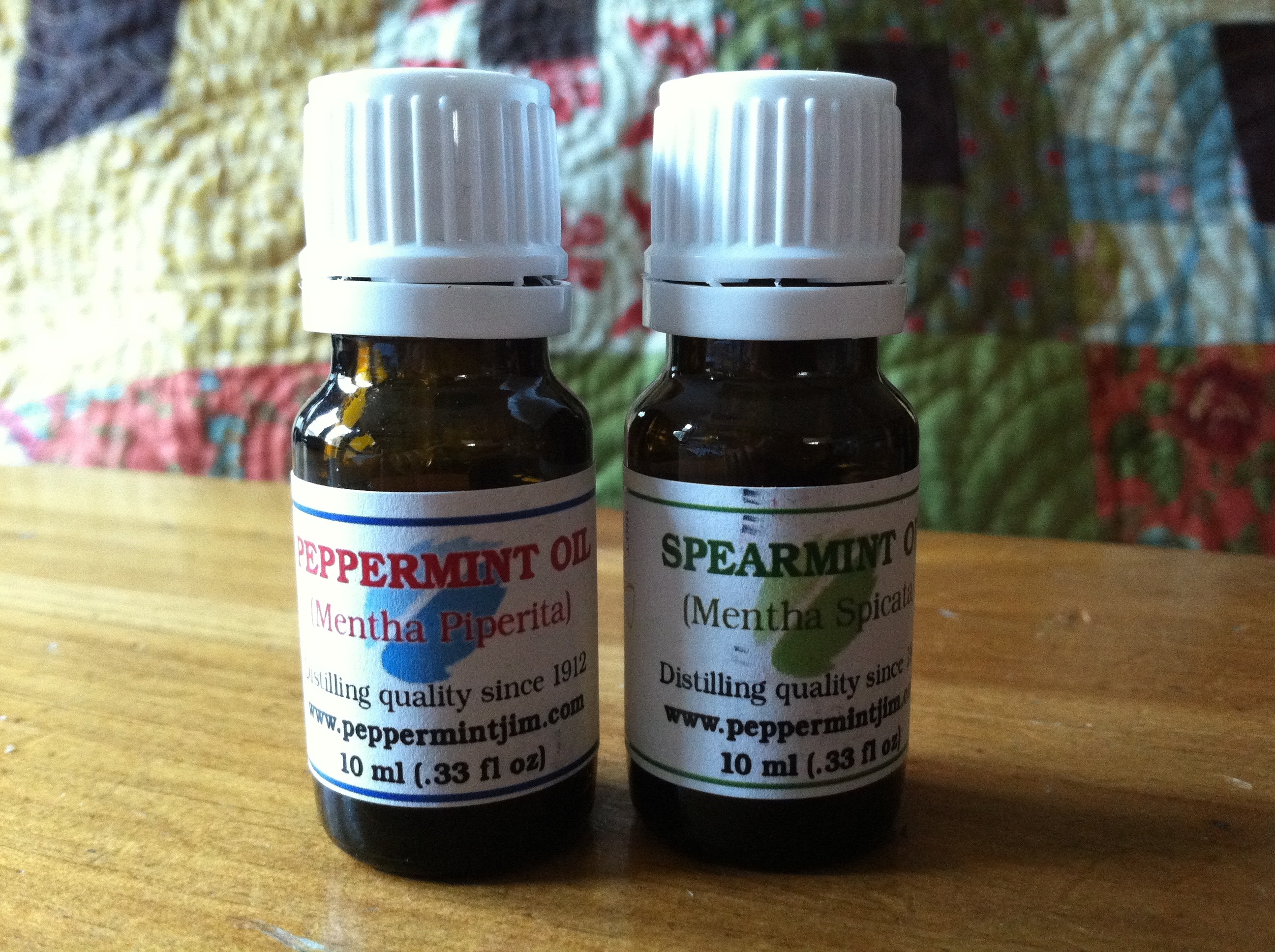
I attended the Isabella County Master Gardener conference and met up with a friend, Peppermint Jim. Peppermint Jim shared his story of how his family almost lost their mint farm located in St. Johns, Michigan, one of the few mint farm distilleries in the U.S. operating since 1912. His talk was followed by his friend Chef Nick who made a few salads using mint, my favorite being the fresh sliced cucumbers drenched in a sour cream, yogurt and mint dressing. Delicious! I was, however, somewhat disappointed since it was after lunch and I was really looking forward to some dessert. So, I made my way to talk to both of them after their presentation and buy some more mint oil. It was really nice catching up and meeting Chef Nick for the first time and suggesting the dessert idea for next time.

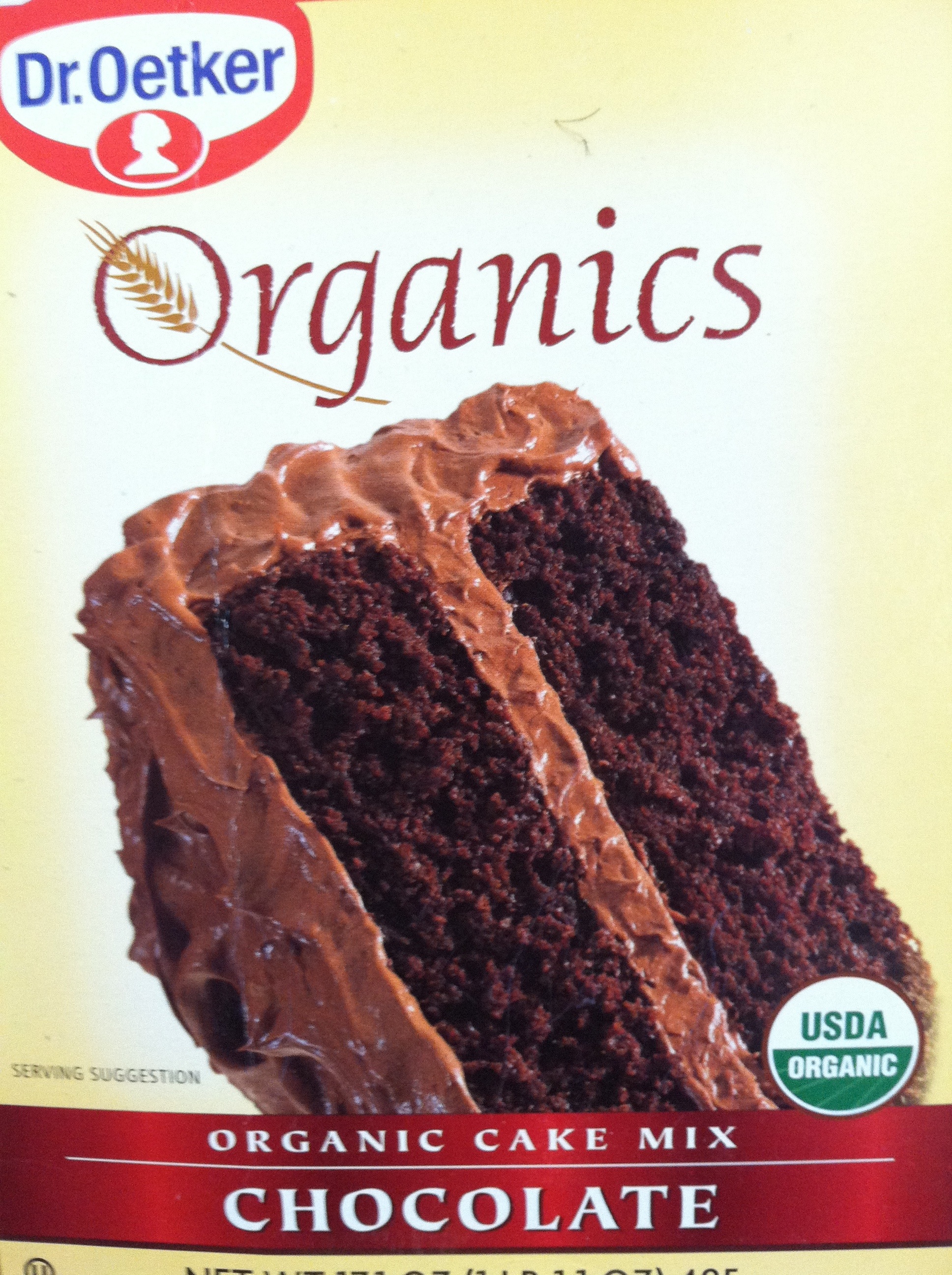
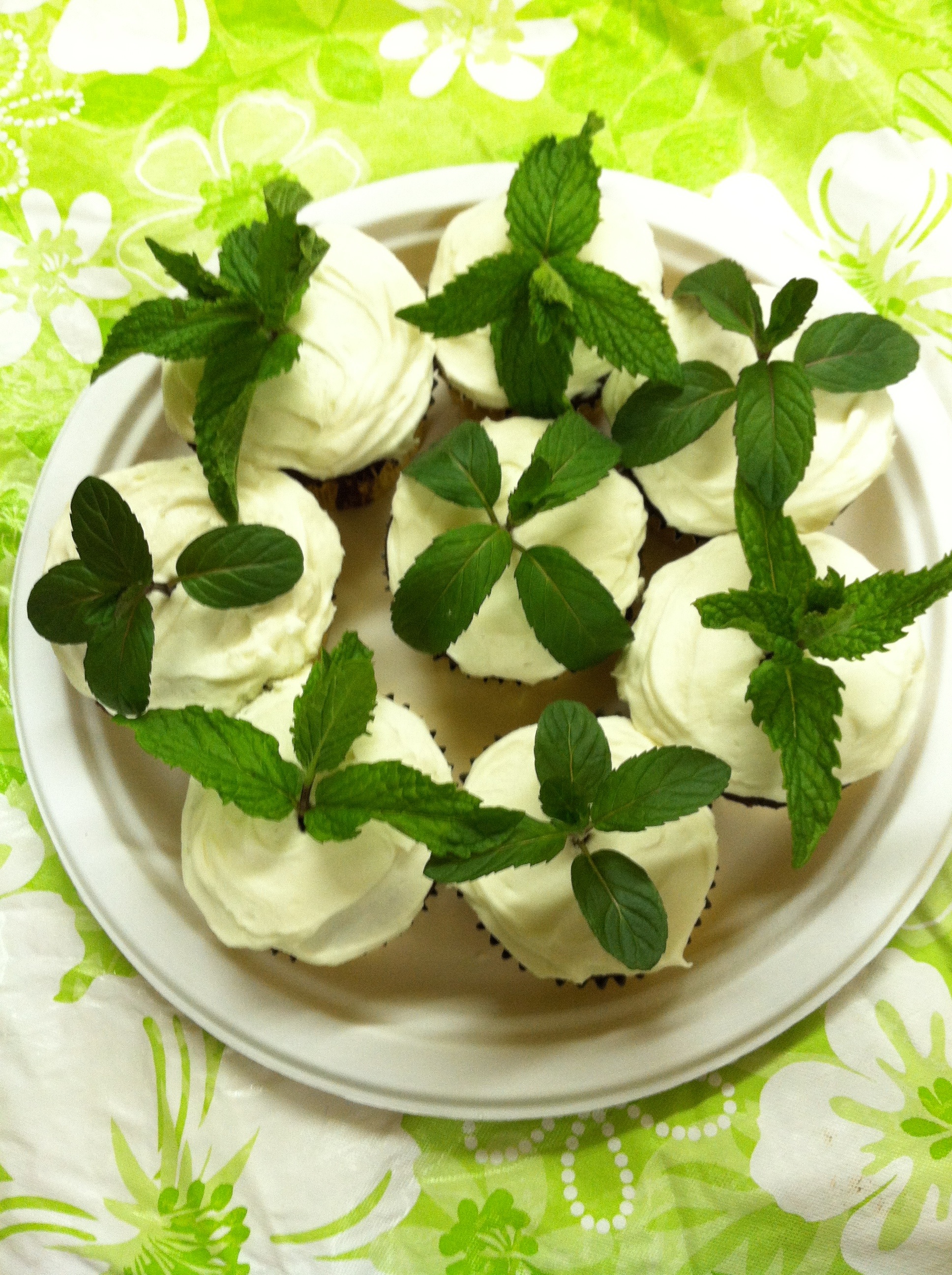
After I bought a bottle of peppermint oil and a bottle of spearmint oil, I stopped at the grocery store to pick up a few things. It was meant to be. Up on the shelf in the isle with all of the baking supplies was Dr. Oetker’s Chocolate Cake Mix. On sale! So I grabbed it and headed home to make some cupcakes. On my drive I decided to make the chocolate cake, and then for the frosting, a simple buttercream frosting with a drop of peppermint. I didn’t even know if I could use the peppermint oil in my food but why not? It’s in gum right? Knowing a little goes a long way, I flavored the frosting with 1 drop of peppermint. Wanting a little more flavor, I decided to use 1 drop of spearmint. Perfect!

After frosting the cupcakes, I thought they looked a little boring, so I grabbed my scissors and went out to the garden and clipped about 3 inches off the tip of both a spearmint and peppermint plants. Back in the kitchen I used a toothpick to make a hole in the center of the cupcake, removed the lover leaves of the peppermint and stuck it in the hole I made with the toothpick. I am in LOVE!

For more information about using mint oils, to purchase mint oils or other mint products, or just to learn more about Peppermint Jim, visit his website at www.peppermintjim.com

Tomato, Tomat, Tomaat, Tomate, or Pomodoro

22 Apr

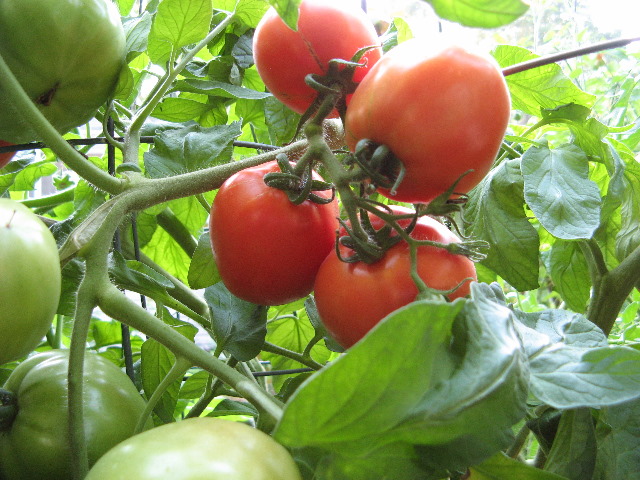
No matter what common name you call it by, botanically the tomato is called Lycopersicon esculentum and is a member of the Solanaceae Family, AKA, the Nightshade Family. Probably the most favored garden vegetable grown, it was first discovered in the Andes before finding its way to Europe, then to the U.S. Worldwide production in 2005 was led by China, followed by the U.S. then Turkey. In the U.S. tomatoes are the second most consumed vegetable following the potato. California grows the most, Indiana, then Ohio. Florida may be on the rise if not already ahead of Indiana and Ohio. On average, an acre of tomatoes yielded 37.20 tons of fruit!

tomato seedling showing first true leaves

Tomatoes are an annual and need to be transplanted into the garden on or about a week after the last frost date, so now is the perfect time to start seeds indoors if you like. I use a heat mat for best germination. Soil temperatures can range from 70 to 95, and seeds will germinate within about 5-8 days. Make sure you keep evenly moist, and remember to turn on the grow lights once they have germinated. Transplant into small containers once the first true leaves appear.

There are basically two types of tomatoes. Determinate types, which don’t have to be staked, or Indeterminate types, which need to be staked. Most of the greenhouse grown tomatoes sold “on the vine” are indeterminate types grown in a greenhouse. These types are also great for Urban Farmscapes since they take up less space horizontally, and can be trained to grow up as high as you allow them. When you transplant into the garden, make sure you cage or stake your tomato right away. Pruning is also recommended, but I will show you that later in June. For now, starting your seeds is the most important thing to do. Don’t want to start seeds, no problem! Tomatoes plants are plentiful in the garden centers. Even several heirloom favorites such as a pink variety called Brandywine.


Heirloom Tomatoes. Photo courtesy of The Baker Creek Heirloom Seed Company


When you transplant your tomato into a container or plant a mature plant into the garden, you can plant it deep, covering much of the stem. You are breaking all the rules of transplanting when doing this. But the tomato will form roots on the stem planted below the soil line, thus creating a stronger root zone, and stronger plant in the long run. So don’t worry if your seedlings get a little “leggy” a term used when they stretch and may fall over due to low light conditions.

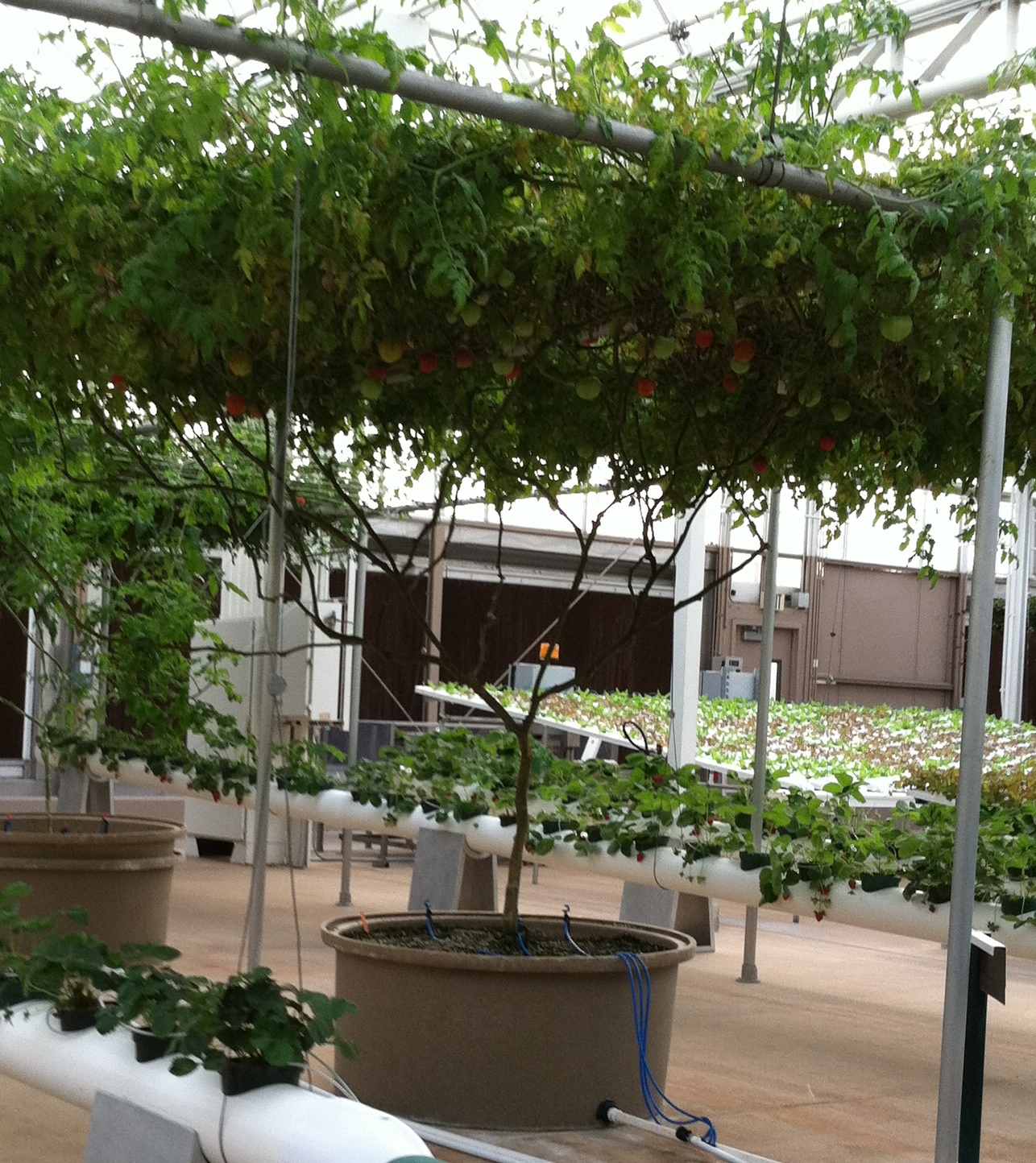
Tomatoes also like a lot of fertilizer. Don’t over fertilize with nitrogen fertilizers as this will cause the leaves to grow really big and lush, but little fruit will form. Higher amounts of phosphorus are needed (remember N-P-K from previous post). Johnny’s Selected Seeds recommends using a liquid fertilizer when transplanting such as Neptunes Harvest Fish Fertilizer 2-4-1 which is certified organic and OMRI listed. Garden centers should sell this, but if not, check with your local hydroponic stores. They will most likely have it, or something equivalent. While you’re at it, look at the hydroponic supplies. Tomatoes are a great plant to grow hydroponically. Look at this one at Disney’s greenhouse in Epcot’s “Living with the Land”. Amazing! I want one!

Tomatoes are pretty tolerant of chlorine and very tolerant of fluoride so makes a good plant to grow with city water. As far as diseases go, Late blights or Early blights have been a problem for farmers. The best thing to do is to grow varieties that are resistant. If you start to see signs such as brown spots on leaves or a white powdery substance under the leaves, remove, destroy (do NOT compost), and apply an organic fungicide per directions. If the plant looks too bad, pull it out and remove it totally. This disease will spread rapidly under wet conditions (like rain). Eliminating overhead watering will help to deter also. And what about bugs? Don’t worry, you won’t have too many problems. But if you see the leaves being munched on, or black droppings on the leaves, you probably have a tomato hornworm. You’ll know it when you see it. If eggs are left to winter in the soil, they will turn into moths next spring. If you have ever seen a hummingbird moth, you may not want to kill your tomato hornworm. But then again, if it is eating all of your tomato plant, then pick it off and destroy as you wish or not.

Tomatoes are so good for you and are wonderful eaten fresh, canned, sauced, whole, sliced, or fried. This is my favorite and one that you will be reading more about as the growing season progresses. Here’s a little secret. Grow them on the dry side. Research has shown that the more you water, the less flavor the tomato will have. I’ve never tasted a bad tomato, but have had some tastless ones. What’s your favorite type or variety of tomato?

How to Create a Vertical Garden

18 Apr

After watching this video, I can’t wait to get started on making this for My Urban Farmscape. I’ll share my steps as I go in a later post, but Home Depot has done an awesome job with this video on “How To Create a Vertical Garden”. I would love to see pictures or how to’s of your vertical gardens. The only comment I have right now is to make sure you use potting soil created for containers.

Happy Constructing!

Vertical Garden Build.

Talkin Dirty

15 Apr

I thought you would like to hear my dirty talk. You know what I mean. This was the perfect weekend for gettin dirty in the garden. Using a shovel, I prepped My Urban Farmscape easily by lifting and turning the soil. For a slightly larger garden, I use a broadfork. I got mine at Johnny’s Selected Seeds. Once you get the hang of it, you can get a pretty large space aerated and turned ready to plant in no time. A small tiller, like this Mantis 7225-00-02 2-Cycle Gas-Powered Tiller/Cultivator (CARB Compliant) works really well too. But then you have to make sure you have gas, and at about four bucks per gallon I’ll use my shovel. I still use my Mantis initially when starting a garden, but then proceed to follow no til methods. Iwill also use it for minor weed control or edging. Double digging is another method where you start on one side of your garden, dig a trench, then start another trench next to the first one, filling the first trench with the soil from the second trench, then soil from third trench fills the second and so on. The soil you dug from the first trench fills the last trench. Got it?

Using a broadfork to loosen and prepare soil in a VERY small garden.

I believe that the soil is the most important part of my garden. It serves as the place where nutrients and microorganisms hang out waiting to be used up by the plant. So, as far as fertilizing goes, I start first with feeding the soil, which then feeds the plant. I add most of my soil amendments in the autumn, such as greensand, rock phosphate, or bone meal. These are slow release type fertilizers approved for organic growing which provide the primary nutrients plants need to grow, nitrogen, phosphorus, and potassium. You will recognize the numbers on fertilizer like 10-10-10, which means the amount of Nitrogen-N, Phosphorus-P, and Potassium-P in that order. NPK. This year I am adding Azomite Azomite Fertilizer – 12oz to my garden which is an organic approved fertilizer providing some of the trace minerals needed for healthy plant growth. And always use compost. I will also make a compost tea using worm castings. This has been my garden secret after brewing this up at my organic farm ten years ago. I’ll talk more about this in a future post.
Confused about what you can use for organic gardening? Visit the website for the Organic Material Review Institute, https://www.omri.org/ for details. This is the organization that has worked to develop the list of what can and cannot be used for organic production of both plants and animals. Beware. A label on a package that says “OMRI Approved” does not mean all the ingredients are approved. If it is a single ingredient product, such as sphagnum peat for example, it is OMRI approved, so odds are, the company that packaged the sphagnum peat did not pay for the USDA Organic labeling for some reason. Look for the “USDA Organic” label and you will know for sure. Also pay attention to marketing claims, like “safe around pets and children” or the words “natural”. This may be somewhat complicated, but the more you read and learn, the more familiar you will become, thus, being able to make more informed decisions when it comes to purchasing organic products.

Before I add anything to my soil, I will send a sample to the Michigan State University Extension to be analyzed and to learn about the existing soil type and nutrient levels that are already in the soil. After receiving the results, I amend the soil with whatever it may be lacking. It makes no sense to add something if there is already enough or excess in the soil. So, with all that said, here are ten things you need to do to your soil prior to planting anything.

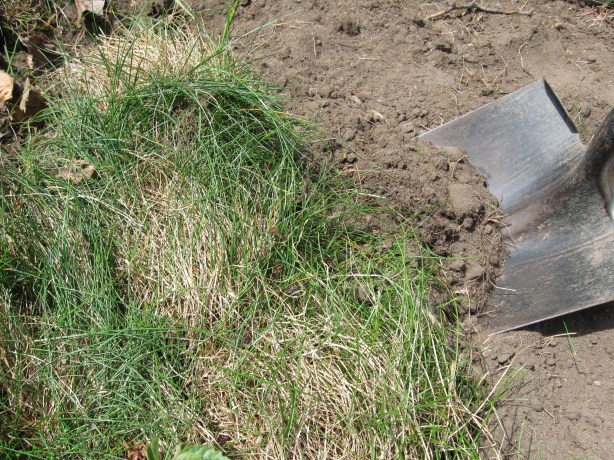
  1. Remove sod if it exists
  2. Shake off all excess dirt. You need all you can get. Don’t buy dirt if you don’t have too!
  3. Loosen and aerate the remaining dirt using a shovel, broadfork or tiller.
  4. Using your hands, break up clumps of dirt, and pick out any remaining leaves. I love to feel the dirt crumbling between my fingers. This is fun for kids too.
  5. Collect soil as directed by your local extension to be tested for fertility. If there is an option for organic recommendations, then by all means, get those! It takes some work translating and changing chemical recommendations to organic. But it’s possible.
  6. You can use solarization to help weeds “grow to death”. Black plastic works best, but any plastic will be fine. I used the painter’s plastic that I took off of a low tunnel cold frame. Lay it over the soil for a minimum of a week, two is better, remove, pull baked weeds, and then prep as mentioned above.
  7. You can add compost AFTER you take your soil sample. I have never received the results from any soil test from any of my gardens that didn’t tell you to add compost. So go ahead and do that.
  8. Continue to pull weeds that may appear.
  9. Once you receive results from soil sample, amend as directed.
  10. Plant your garden after danger of frost has passed. See previous posts on what to plant when.

It takes three years of organic practices and the improvement of the soil fertility before an organic farm can be certified USDA Organic. It is a honorable commitment by those that follow the organic rules and only use OMRI listed and approved materials. Support your organic farmers, and as far as your Urban Farmscape, get busy working to make your soil sustainable!

Living with the Land

8 Apr

Taking a break from My Urban Farmscape to explore the future of our food and hydroponics. To see more visit the following website:

http://disneyworld.disney.go.com/parks/epcot/attractions/living-with-the-land/

20120408-225113.jpg

20120408-225219.jpg

When do I plant (insert veggie or flower here)?

4 Apr

This has been the question of the week. Yikes! My weekly posts are not enough. So here is a little extra. Don’t forget, you can click on the GrowVeg.com banner for a 30 day trial to help plan your garden. They offer e-mail reminders too! Something I’m not ready to do yet, unless you sign up to receive an e-mail each time I post on this blog. There’s an idea! Also, while I’m at it, please share My Urban Farmscape with your garden friends via Twitter, Facebook, e-mail, or any of the sharing links below. Keep in mind my Garden Revolution Resolution!

For Michigan, our frost-free date is typically May 20. You can plant cool loving vegetables and flowers prior to this date, starting the first week of April for spinach and peas, but save the majority of your planting until after the frost free date. Remember to “harden off” your plants that have been growing indoors. This just means to acclimate them to the outdoors by setting them out during the day, bringing them inside (or protect in a garage or shed) at night for a few days before planting them. First frost dates are determined by historical records. This year, spring has sprung a lot earlier, but we are back to freezing temperatures and frost can still occur after our first frost date. If that happens, you should protect your plants using lightweight fabric or newspapers. Don’t use plastic if it will touch the plants.

This may not be everything that you want to grow, but it’s a start. Refer to earlier posts and make your calendar!

Start indoors 8-10 weeks before frost date. Transplant in the garden AFTER first frost date.

  • Peppers (Best to plant at least two weeks after first frost date)
  • Eggplant (Best to plant at least two weeks after first frost date)
  • Snapdragon
  • Forget me nots
  • Coleus

Start indoors 6-8 weeks before frost date. Transplant in the garden AFTER first frost date.

  • Tomatoes
  • Basil (Best to plant at least two weeks after first frost date when nighttime temperatures are consistantly above 50 F. Can also be directly sown in the garden at that time)
  • Calendula
  • Gomphrena (Globe Amaranth)
  • Marigold
  • Strawflower
  • Zinnia

Directly sow outside in the garden 4-6 weeks BEFORE frost date. Provide protection if freezing temperatures occur at night.

  • Peas
  • Spinach (can also be started indoors 4 weeks before planting in the garden)
  • Mustard Greens (can also be started indoors 4 weeks before planting in the garden)
  • Mache (corn salad) (can also be started indoors 4 weeks before planting in the garden)
  • Kohlrabi (can also be started indoors 4 weeks before planting in the garden)
  • Kale
  • Radish
  • Carrot
  • Flowering Sweet Peas

Start indoors 4 – 6 weeks before frost date. Transplant to the garden two to three weeks BEFORE first frost date.

  • Cauliflower
  • Broccoli
  • Swiss Chard
  • Lettuce
  • Parsley
  • Cilantro

Directly sow in the garden (you can start 2-4 weeks before frost date if you wish, but not necessary) AFTER first frost date.

  • Beans
  • Cucumber
  • Corn
  • Squash
  • Pumpkins
  • Melons
  • Cosmos
  • Morning Glory
  • Nasturtium
  • Sunflower