
One of my favorite crops to grow in My Urban Farmscape is peppers. You can get a lot of bang for your buck out of these compact plants. Historically, peppers have been used throughout the world to flavor some of our favorite dishes with their crisp, tangy, sweetness or their hot, spicy, heat. Think about it. What would chili be without the pepper? How boring would your veggie trays look at the summer picnic without a bright orange, yellow or green bell pepper? Would tacos or fajitas exist?

Sweet Peppers
I have started to pick sweet peppers and I’m sure that you will soon if you haven’t started already. As I begin to get an overabundance, I will share some, but I will also freeze or grill them. For bell peppers, you harvest them when they are ripe, which is when they reach their mature size. They will feel heavier and may start to turn color. As you gently pull, twist the stem. Or use scissors or pruners and cut the stem about 1/2” from the fruit. For the colored bell peppers, wait until they turn their color (yellow, orange or red).
Freezing Bell Peppers
It’s simple. Slice the pepper in half, stem to blossom end. Remove the stem and seeds inside. Wash, and dry. Place in a freezer bag or freezer container and toss into the freezer. Use for cooked dishes. They get soft once frozen so they won’t work well for fresh eating.
Roasting Sweet Peppers
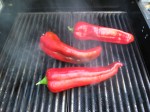 Also easy. These larger red sweet peppers give just the right flavor to some otherwise boring soups or stews. Cook these directly on the grill or over an open flame on your gas stove. You could also use the broiler in your oven. As they cook they will get soft and their skin
  will char, that is when you know they are done. Remove from the grill and allow to cool some making it easier to handle when you remove the skin. After the stems and skin are removed, chop and place in a freezer container what ever you don’t use. Yum!
Hot Peppers
For hot peppers, most of them can be harvested in the green stages up to their colored stage. These will be ready for harvest later in the season as they LOVE the heat. Of course you can use any of the hot peppers fresh however you like.
Freezing or Jam
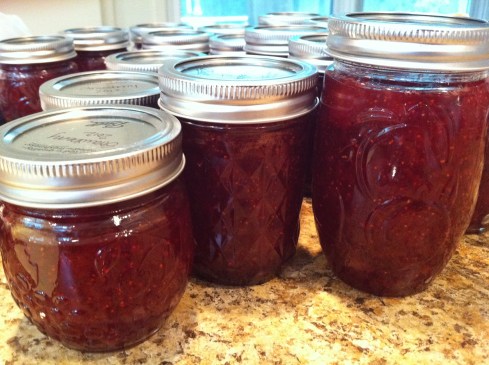
You can freeze jalapeno peppers like bell peppers, removing the seeds. WEAR GLOVES! One of my favorite things to do with jalapeno peppers is to make pepper jelly. The recipe I have used is on the Sure-jell box. I like to spread this over some cream cheese and serve with crackers. Secret: Want to give it a little more bite? Leave in the seeds. Watch out though if you take some for a holiday gathering and grandma tries some. She might scream out some words you have never heard from her before. Most grandma’s don’t like hot spicy foods!

Drying Peppers
You can dry all chili types. I like these to turn red on the vine. You can spread them out over a screen, string up on fishing line or heavy thread, or use a dehydrator. It’s fun to make decorative gifts or ristras. Once you know they are dry, you can grind them in a coffee grinder, not used for coffee of course, but just for your peppers, and then store in a glass container. These make nice gifts, and who knows, maybe you could come up with your very own famous chili spice mix! I love peppers. How about you? What is your favorite way to preserve peppers?

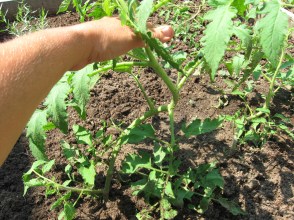
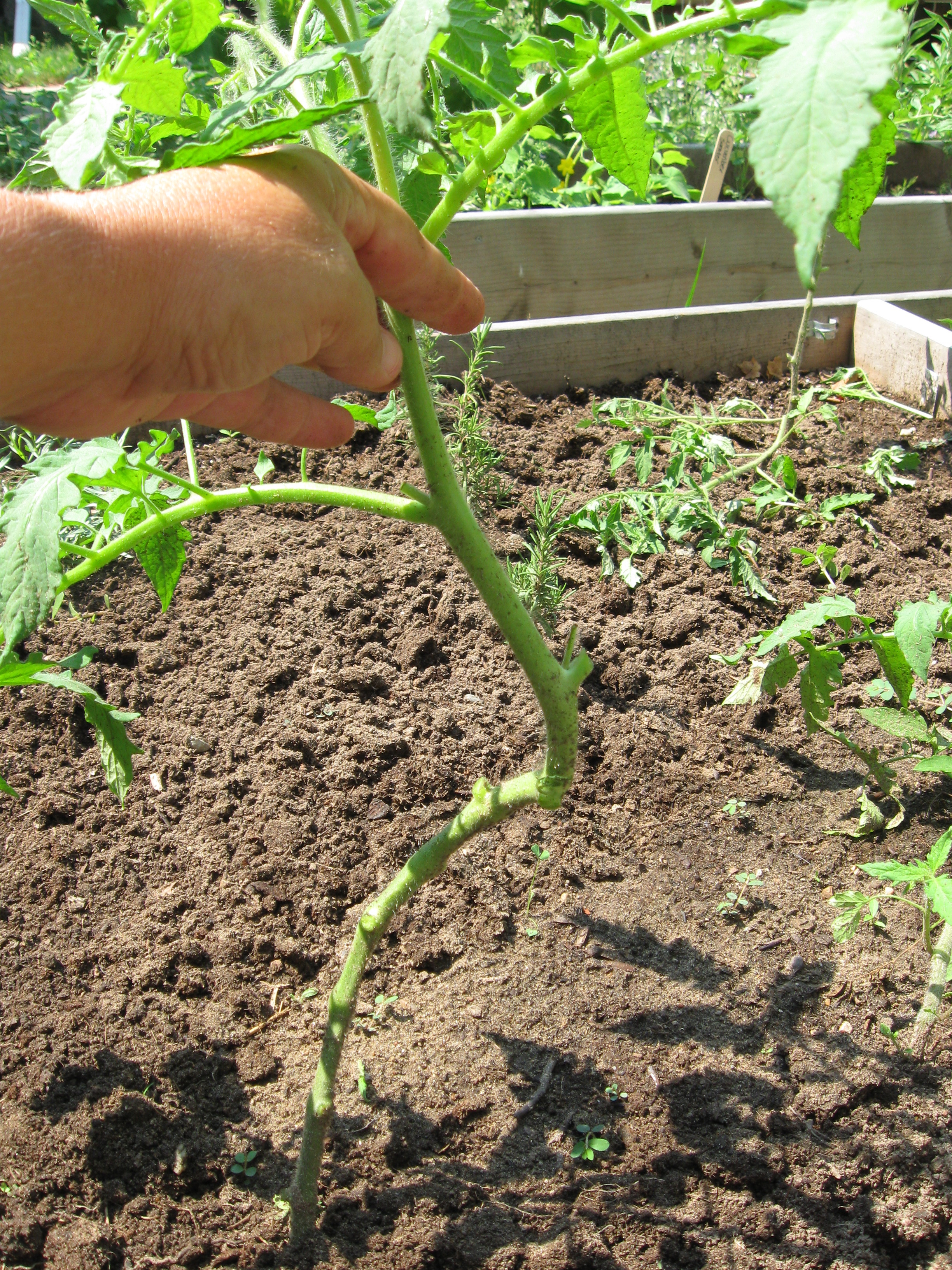


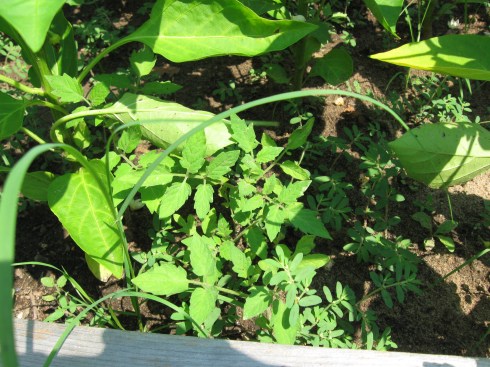

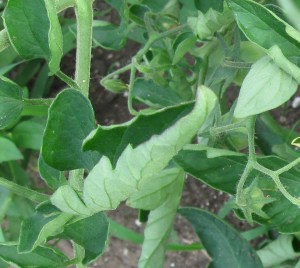 Scenario # 2: On one of my tomato plants the leaves have been curling in an upward way. Almost to the point where they look like a tube. I can see that the little cherry tomatoes are developing okay, and noticed that the other tomato plants next to it didn’t look the same. They are different varieties, but the leaves just looked odd. Maybe they have a virus or something. Problem or not?
 Scenario # 3: While I was crawling around my squash plants weeding, I noticed these little metallic brown balls on the leaves. I found some on the tops of leaves, and also on the bottoms of some others. They look harmless, and don’t seem to be doing anything but sitting there. For now I will just leave them and hope to remember to keep an eye on them. Problem or not?






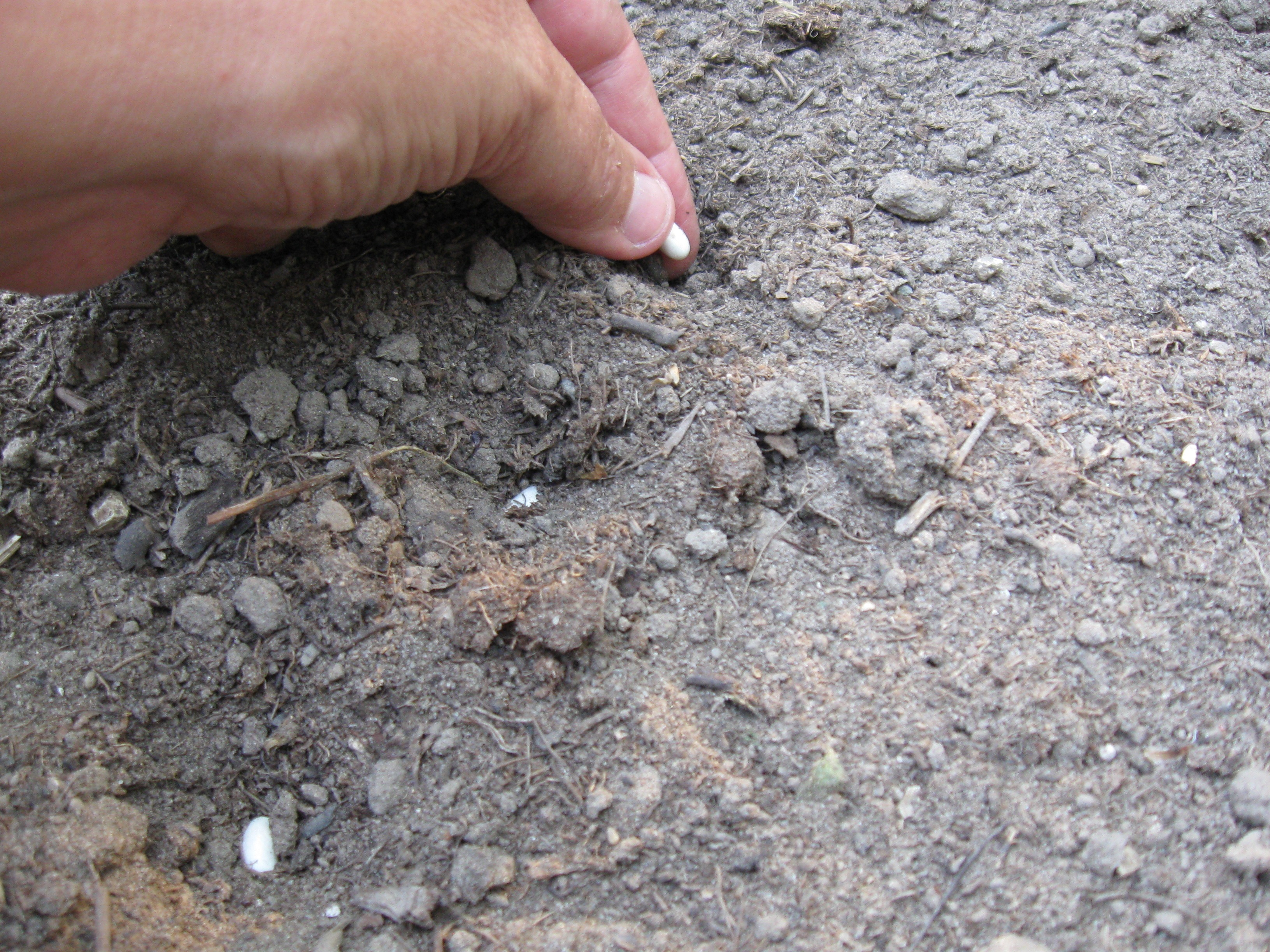
 Memorial Day Weekend has always been a tradition of planting the garden in my family. This is about a week after our frost free date, so naturally, everyone is talking about planting the garden on Memorial Day. I do recall while growing up going to parades, or my mother visiting the cemetery to plant something on someone’s grave that I never knew. I think it would have been a cousin of hers, or my great grandfather. We would cook hot dogs on the grill and eat potato salad, raise the American flag on the flag pole, and if I was lucky, get to go to the beach. I never knew anyone that died in a war, although my dad and step dad both served state side in the U.S. Army and the U.S. Navy. I just found my grandpa’s draft card for World War II. My son is serving in the U.S. Marine Reserves. I am proud and thankful for them all; including the men and women I don’t know who have and are serving in the military. I don’t agree that war is always the answer, but is has, and will probably always be, the way of our world.
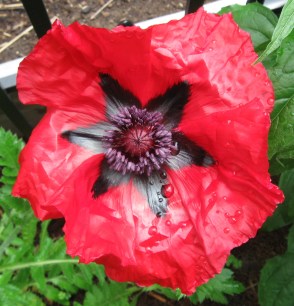 Soon after the first distribution in 1922, the VFW adopted the poppy as the official memorial flower of the Veterans of Foreign Wars of the United States. You may be familiar with the paper poppies mounted on a green wire with a white paper tag being sold for a dollar at the intersections in your town by members if the VFW. These are assembled by disabled veterans or those veterans in need of financial assistance. This morning when I went out to my garden, this poppy had just bloomed overnight and now holds a whole new meaning. My garden will always have red poppies from here on out.




 My Urban Farmscape